How to use an AI tutor without cheating yourself
The risk with an AI tutor is not that a teacher catches you. It is that you finish a worksheet feeling like you understood it, sit the exam three weeks later, and discover that you never actually did.
The trap is not cheating, it is the feeling of understanding
Read a clear, well-written solution to a hard question and something genuinely pleasant happens. Every line makes sense. Nothing snags. You reach the end and think, right, I have got that.
You have not. What you just experienced was recognition, and recognition is a much weaker thing than recall. You can follow a path someone else walked without being able to find it yourself, in the same way you can follow a recipe without being able to cook. Psychologists call this fluency: the ease of taking something in gets mistaken for the strength of holding onto it.
This is why the danger is quiet. Copying an answer you do not understand at least feels like getting away with something, so you know where you stand. Reading an answer you follow perfectly feels like studying. You walk away confident, and the bill does not arrive until the exam.
Rule one: ask for the next step, never the answer
The single most useful habit is to make your request smaller. Do not ask what the answer is. Ask what to try next, and then go and try it.
The difference sounds small and is not. A full solution ends your thinking. One step restarts it, and the work you do after that hint is the part that actually forms a memory.
What ends your learning: Solve this differential equation and show all the steps.
What continues it: I have got as far as the homogeneous solution. What kind of thing should I be looking for next, without telling me what it is?
And when you are truly lost: Do not solve this. Just tell me what topic it is testing, so I know which method I am supposed to reach for.
Rule two: make it ask you questions
Flip the direction. A tutor that only answers is a reference book with better manners. A tutor that asks you things forces retrieval, and retrieval is what builds the memory in the first place.
Ask it to quiz you before it explains anything. Ask it to check your reasoning rather than supply its own. Ask it to tell you where your logic broke without repairing it for you. When you have finished a topic, ask it to give you a fresh question in the same style and to say nothing until you have attempted it.
- Explain your attempt first, then ask where it goes wrong.
- Ask for a similar question rather than a fuller explanation.
- Ask it to mark your working the way an examiner would, including what would lose marks.
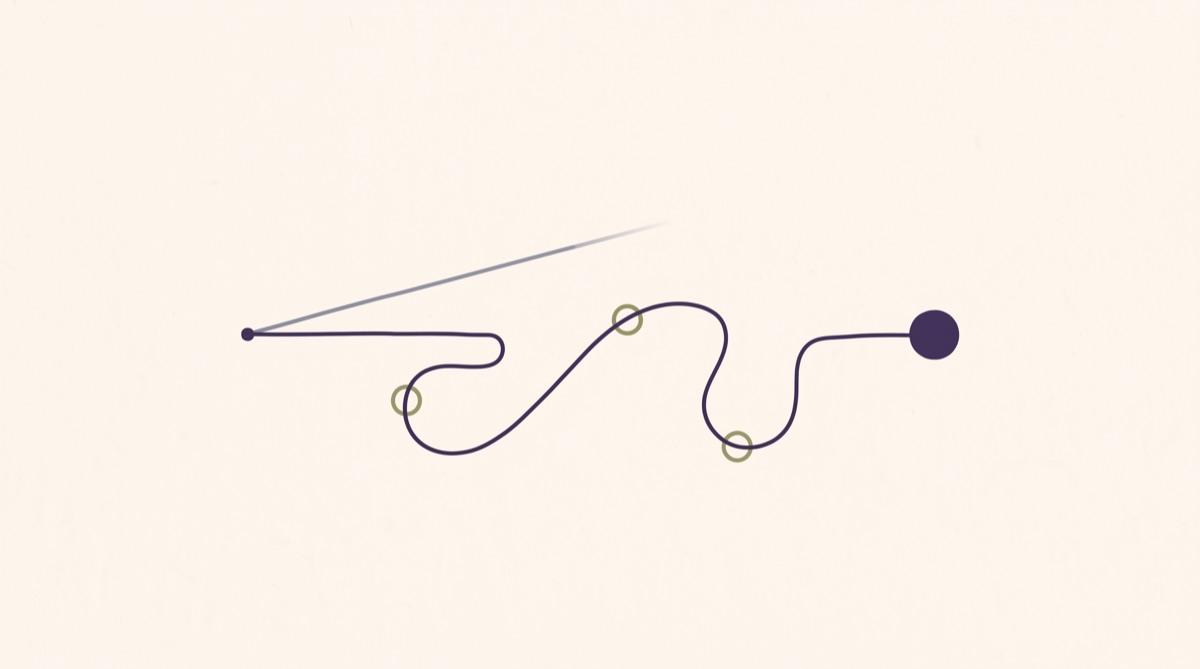
Both routes reach the answer. Only one of them leaves you able to find it again on your own.
Rule three: close the loop on a blank page
Here is the test that settles it. However you got there, however much help you took, finish by putting everything away and redoing the question from nothing.
Blank page, no notes, no chat open. If you can produce it, the understanding is yours and the help did its job. If you cannot, you have not learned it yet, and now you know that today rather than in the exam hall.
This one habit converts an AI tutor from a risk into the most efficient study tool you have ever had. Without it, every session leaves you slightly more confident and no more capable, which is the worst possible combination going into an exam.
What a good session actually looks like
You attempt the question first and get stuck. You describe where you are stuck, in your own words, which already forces you to locate it precisely. You take the smallest hint that moves you, then work again. You get it out. Then you close everything and do it once more from a blank page, and only then move on.
That is slower than reading a solution. It is also the difference between a worksheet you completed and a topic you own.
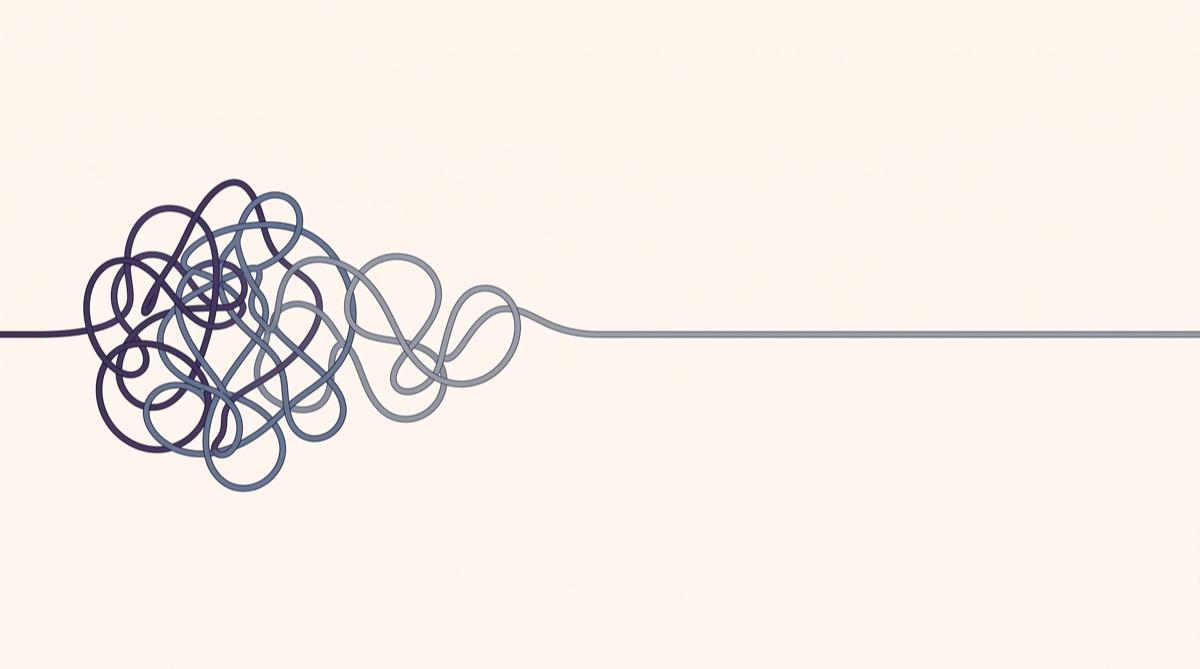
How to get unstuck on a hard problem
Getting stuck is not a sign you are bad at a subject. It is the normal middle of solving anything worth solving. What separates strong students is having a process for the stuck moment instead of panicking or peeking at the solution.
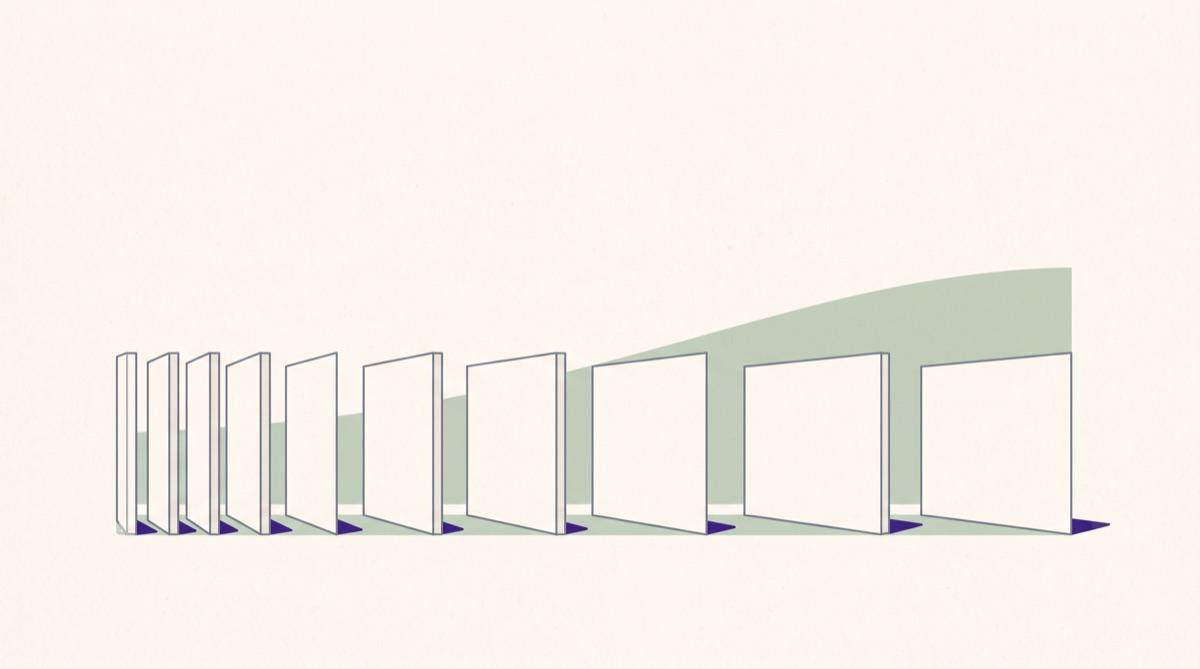
Active recall and spaced repetition, explained
Most students study by re-reading and highlighting, and most students are surprised by how little sticks. Two simple methods fix that. Neither costs money and both are backed by decades of research.
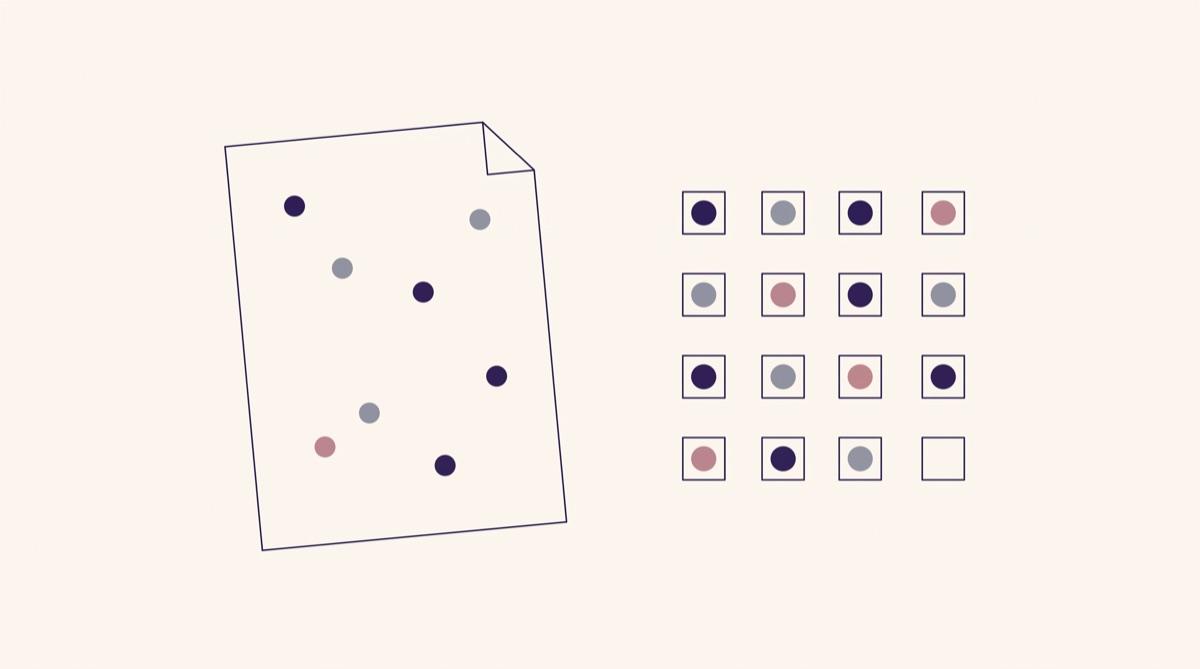
Turn your mistakes into a study plan
Two students can do the same practice and get completely different results. The difference is usually what they do with the questions they got wrong. Handled well, your mistakes become the most efficient study plan you can build.