How to study from a past exam paper
A past paper is the closest thing you have to the real exam, so it is wasted if you only read it. Here is how to work through one so it actually moves your grade.
Why past papers beat re-reading notes
Reading your notes again feels productive because it feels easy, but ease is the problem. Recognising a page you have seen before is not the same skill as producing an answer under time pressure. A past paper forces the harder, more useful skill: pulling the idea out of your head and writing it down, in the exact format the exam will ask for.
It also shows you the shape of the exam: how questions are worded, how marks are split, and which topics come up again and again. That is information you cannot get from a textbook.
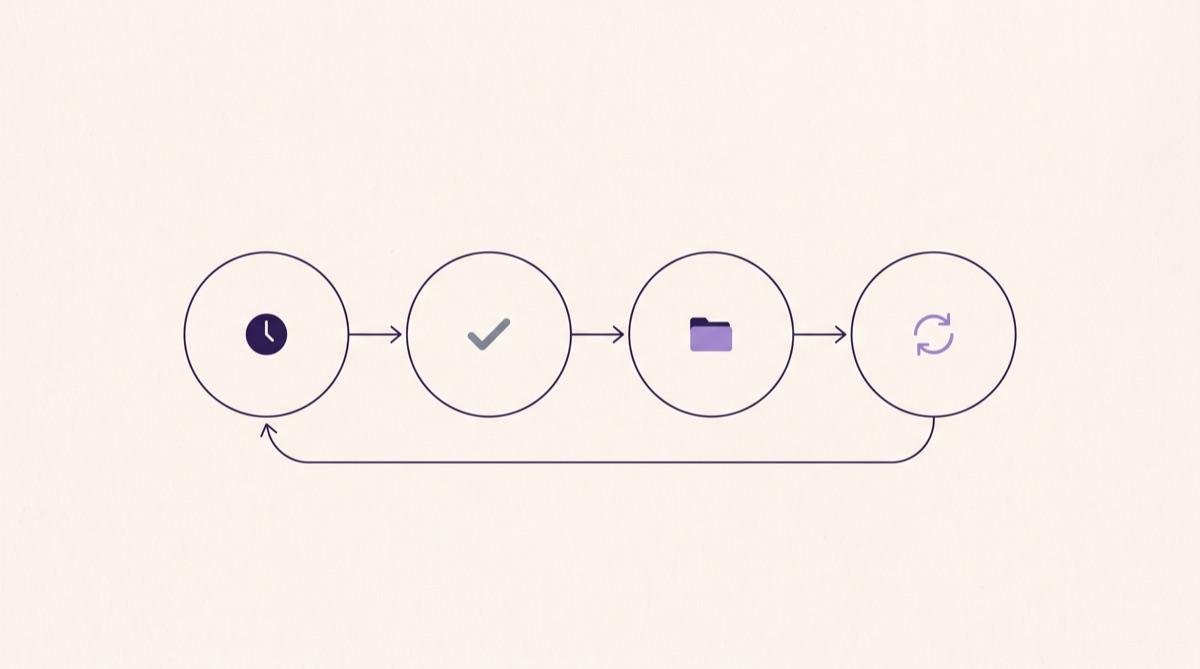
The loop this guide describes: sit the paper under time, mark it honestly, group what you dropped, then come back to it.
Work it under real conditions first
The first time through a paper, treat it like the real thing. Sit somewhere quiet, set a timer for the real duration, close your notes, and answer every question you can. It will feel uncomfortable, and that discomfort is the point. You want to find out what you cannot do while it still costs you nothing.
- Time yourself for the full paper, not one question at a time.
- Write full answers, not bullet points in your head. The writing is the practice.
- If you get stuck, leave a gap and move on, exactly as you should in the real exam.
Mark it honestly against the scheme
Marking is where the learning happens, so be strict. Use the mark scheme and give yourself marks only for what you actually wrote, not for what you meant. For every mark you dropped, write one short line: what the question wanted, and why your answer missed it.
Close the gaps, then do it again
Group your dropped marks into topics. Spend your next study session on the topic you lost the most marks on, not the one you already enjoy. Learn it properly, then come back and re-attempt just those questions. When you can score them cold, move to the next weakest topic.
This is where a guided tutor helps: instead of reading the answer and nodding, you can work the question again and be nudged one step at a time until you can do it yourself. Understanding the step you missed is what stops you missing it in the real exam.
What to do in the exam room
You can revise well for months and still lose marks in the room, because the exam tests a second skill nobody teaches you: how to spend three hours. That skill is learnable, and it is worth more marks than another week of revision.
Turn your mistakes into a study plan
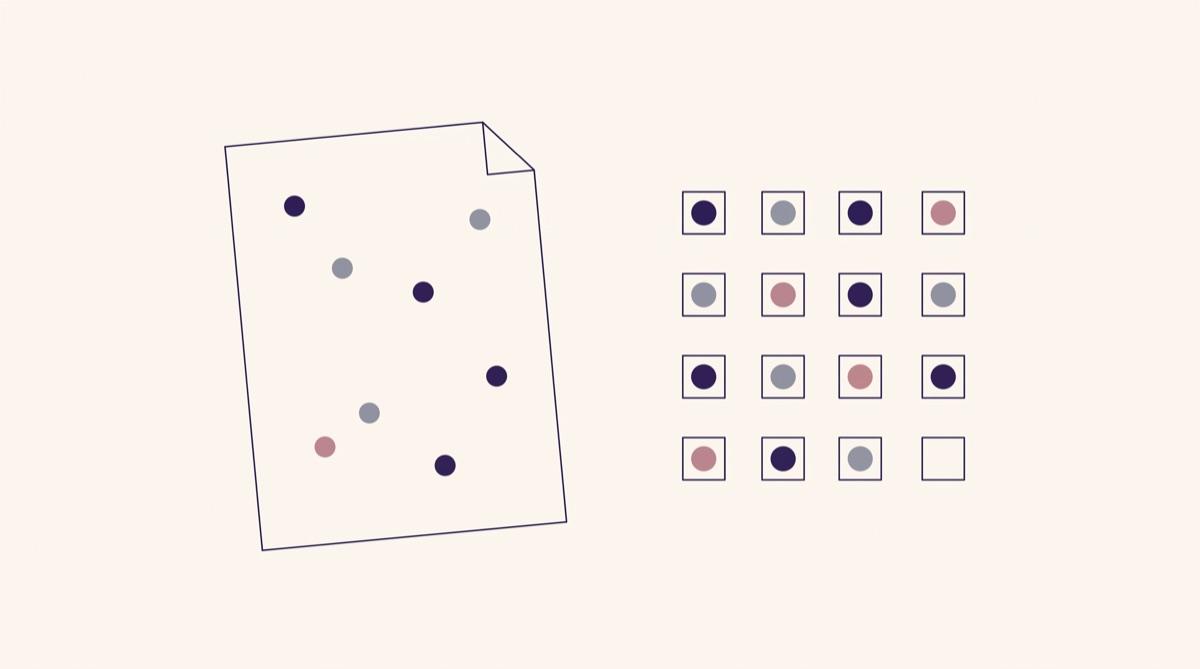
Two students can do the same practice and get completely different results. The difference is usually what they do with the questions they got wrong. Handled well, your mistakes become the most efficient study plan you can build.
Active recall and spaced repetition, explained
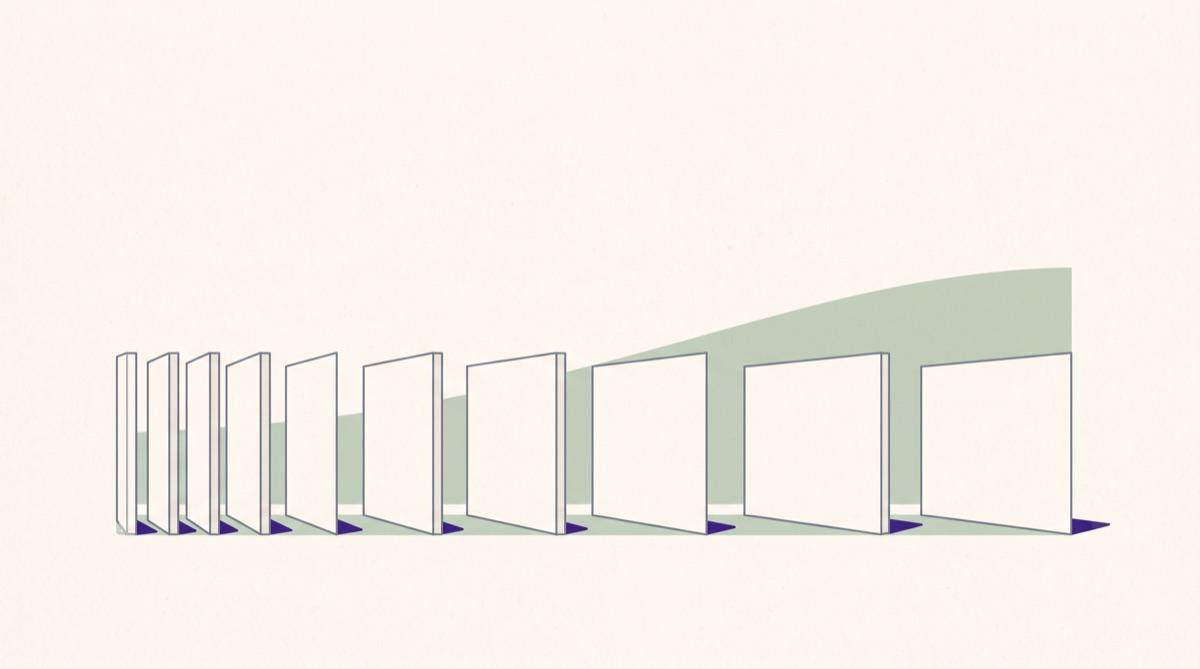
Most students study by re-reading and highlighting, and most students are surprised by how little sticks. Two simple methods fix that. Neither costs money and both are backed by decades of research.